GOSIM Paris 2026 已圆满结束
感谢所有参会者、演讲嘉宾和赞助商,让本次活动精彩纷呈!
演讲幻灯片
活动相册
活动已结束
议题
演讲嘉宾
日程
支持者
同期活动
志愿者
会场
English
中文
Français
活动已结束
筛选
议题
演讲嘉宾
日程
支持者
同期活动
志愿者
会场
English
中文
Français
活动已结束
筛选
上一个
Opening Remarks — vLLM Workshop
所有日程
下一个
Accelerators for Agentic AI with vLLM
vLLM Workshop
构建、测试与贡献vLLM:开发者指南
日期
5月5日
时间
10:25 - 11:05
地点
Founders Cafe
大语言模型(LLM)已经彻底改变了AI格局,而vLLM已成为领先的推理引擎,通过PagedAttention等创新显著加速了LLM服务。但你如何实际地构建、测试和贡献到这个快速发展的项目中呢?
在本次演讲中,我们将带你了解vLLM的架构,并探索使用这个复杂Python/C++代码库的实际方面。我们将从vLLM核心优化(包括PagedAttention)的概述开始,然后深入不同目标的构建过程以及第三方硬件插件,如Google TPU、AWS Neuron、Intel Gaudi等。
你将了解测试策略,例如使用GuideLLM进行性能基准测试和使用lm-evaluation-harness进行模型评估。我们还将涵盖向vLLM社区贡献的最佳实践,以及Red Hat AI Inference Server(RHAIIS)如何提供一个可信且经过验证的平台来在多种硬件环境中运行LLM工作流。
演讲嘉宾
Daniele Trifirò
Principal Software Engineer, Red Hat
 演讲幻灯片
演讲幻灯片 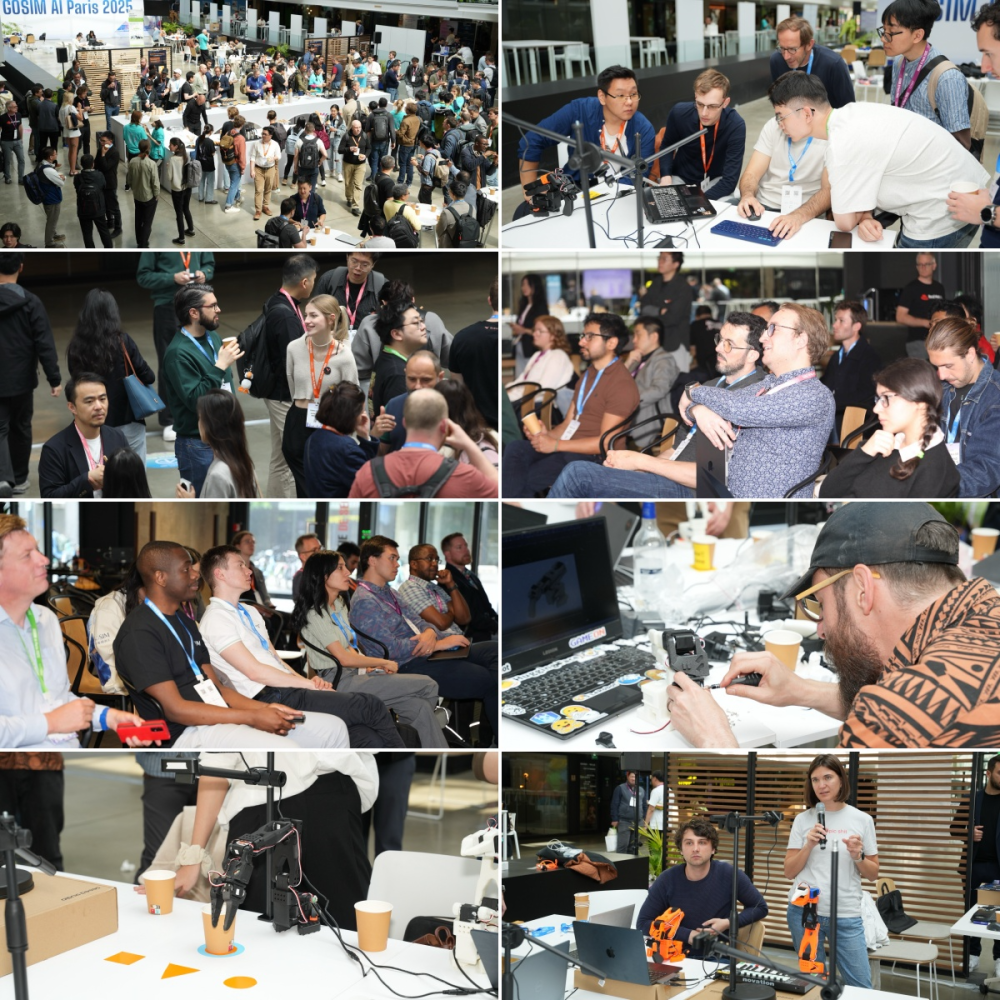 活动相册
活动相册