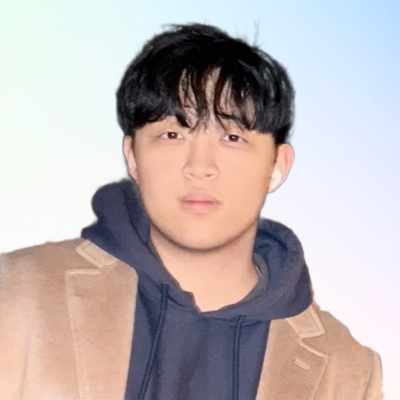
The biggest barrier to building something isn't technical. It's the moment right before you start. 99% of people don't start because they think they need more experience, aren't ready, don't have time, or a million other reasons.
I started my robotics journey at 15, joining a team that was honestly pretty bad. At the start of freshman year a big argument broke out and most of the team quit, so I was left with a real choice: walk away or stay and figure it out. I stayed, and looking back that was probably one of the most important decisions I ever made. It taught me that taking risks and putting yourself in uncomfortable situations where you have to learn fast is genuinely one of the best things you can do, especially when you're young.
That same mindset carried into college, where I started competing in hackathons. The first two I went to I pulled all nighters with my team and we still lost. But from the third one on we kept winning. The lesson isn't that failure doesn't matter, it's that you shouldn't expect success right away and you definitely shouldn't let early losses discourage you. Just keep showing up.
The second part of the talk is about how I actually built Inhabit, an open-source humanoid robot teleoperation platform that lets you drive a Unitree G1 using a low-cost potentiometer-based arm, and how AI tools completely changed what I was able to ship as basically one person. Using Claude Code in VS Code I could work on one part of the project while it handled the programming and backend in parallel. The workflow is genuinely crazy compared to how things used to work.
If you have an idea and you've been waiting for the right moment to start, this talk is for you. The tools are better than they've ever been and the only thing left is to actually begin.
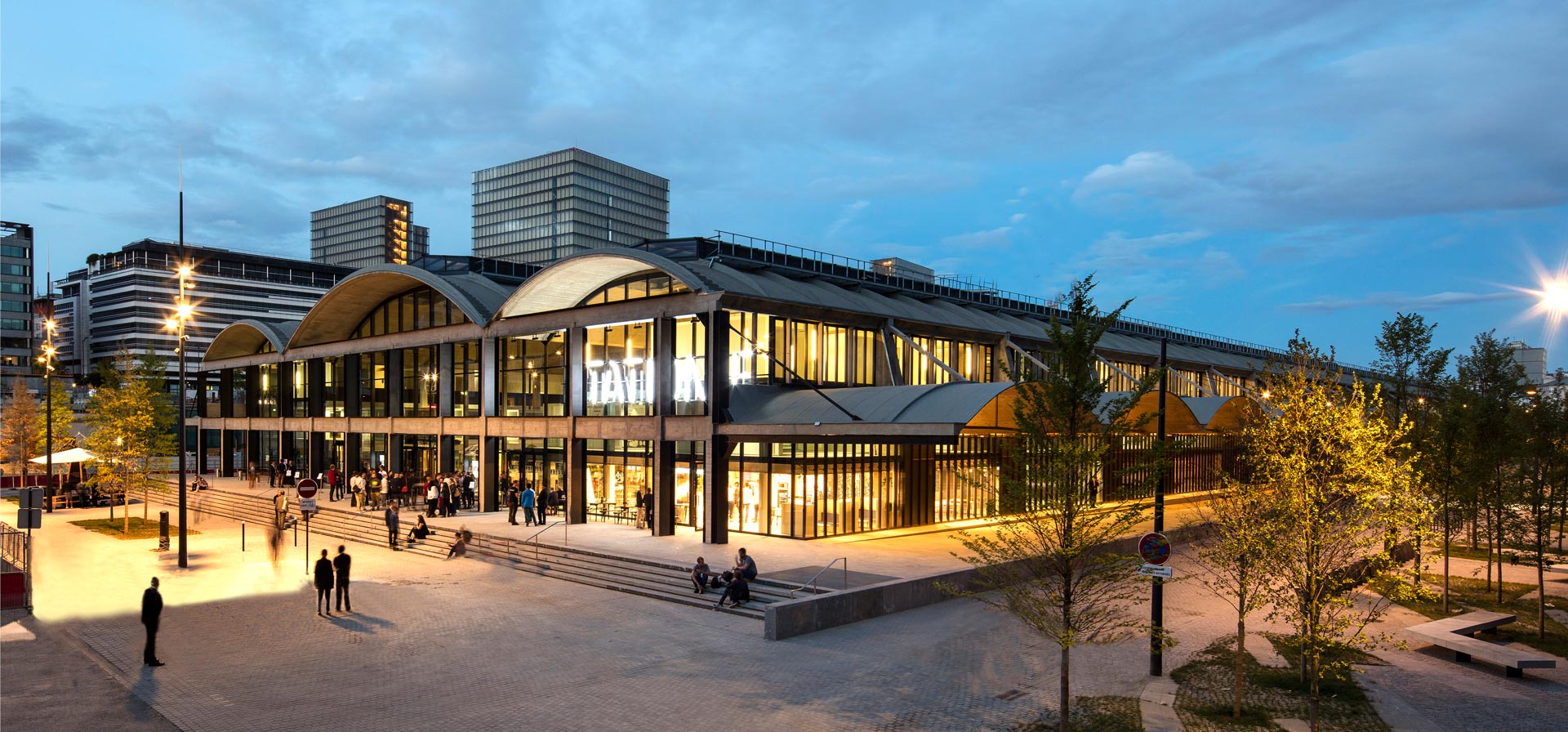 Speaker Slides
 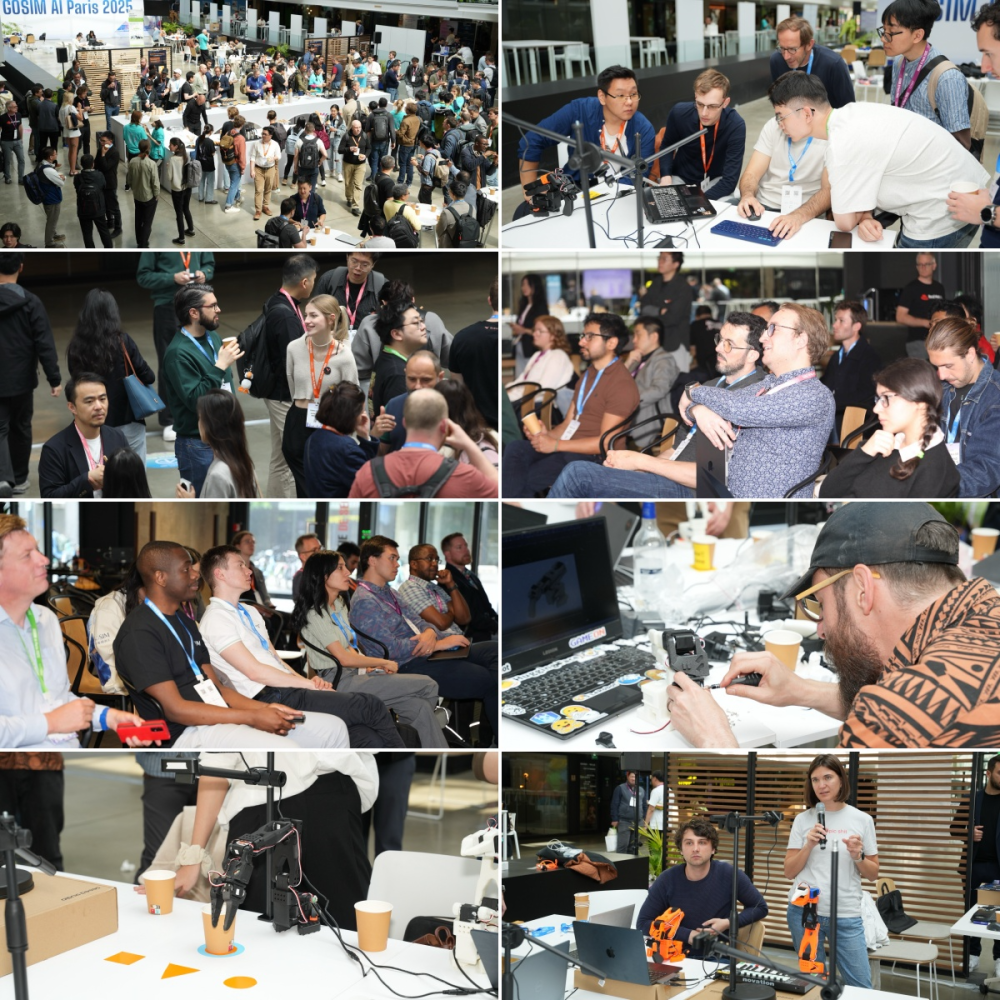 Photo Album